


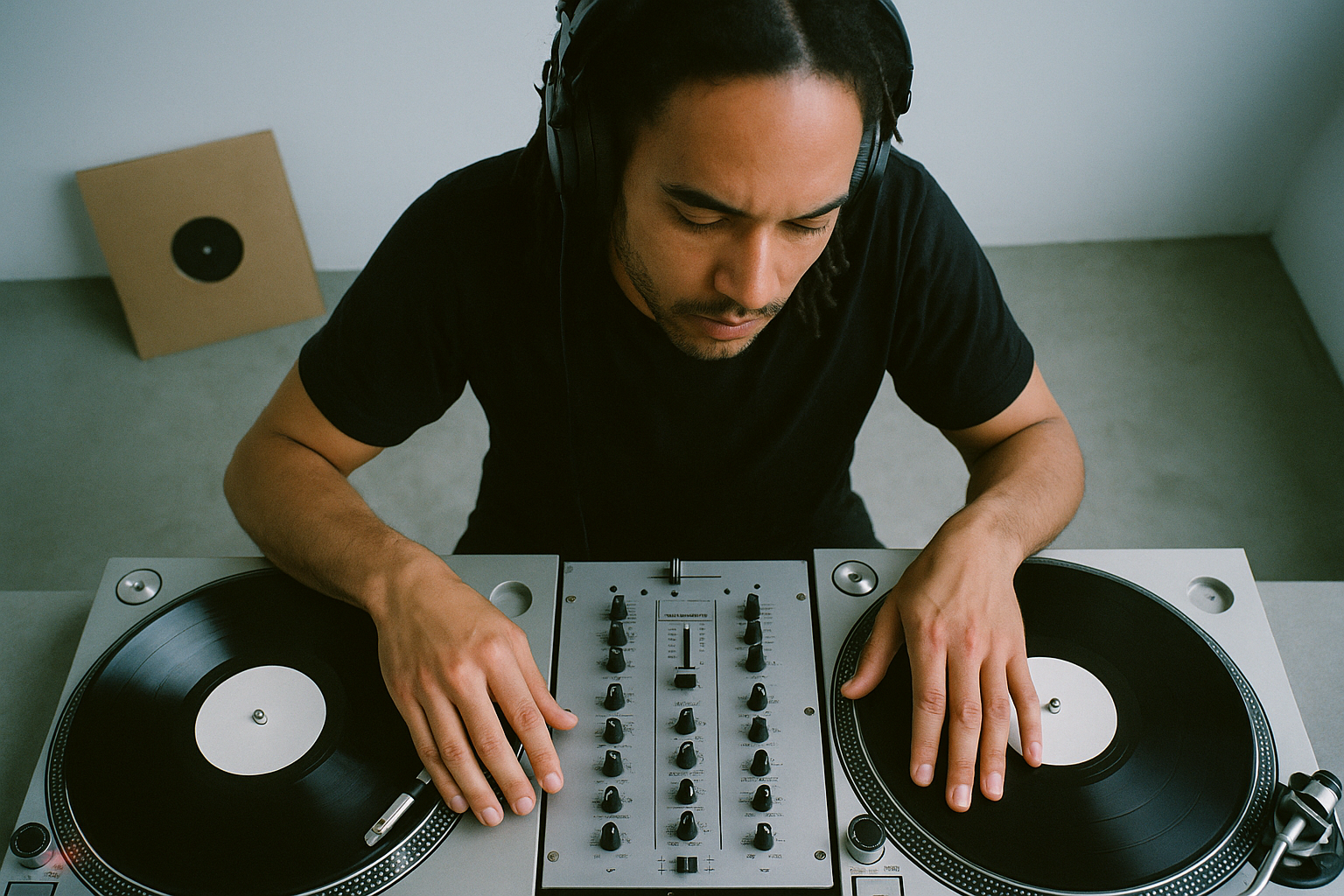
Djing in Dubai gets pitched as a glamour job: rooftop pools, superclub residencies, a skyline that never quite goes dark. The actual work is a lot more practical. It means building a set list for a specific crowd, turning up early for sound check, and getting paid on time for a gig that ran three hours past the booking.
This guide covers what djing in Dubai actually involves in 2026: where the work is, what it pays, what licensing looks like, and how DJs are finding bookings without waiting on an agent to return a call.
How big is the DJ and events scene in the UAE right now
The UAE event management market is not a side hustle economy. It was worth USD 2.62 billion in 2026 and is projected to reach USD 3.58 billion by 2031 at a 6.43% CAGR, covering everything from exhibitions and conferences to weddings, brand activations and nightlife.
That growth is exactly why demand for DJs in Dubai keeps climbing. Hotels need resident DJs for weekly nights, beach clubs need daytime sets, weddings need someone who can read a room of three generations, and brands need a DJ in Dubai for parties launching a product or opening a venue. None of that shows up in the superclub headlines, but it is where most working DJs actually earn.
Where DJs in Dubai actually get booked
The superclub circuit is real and it matters for reputation. But the volume of paid work sits elsewhere: hotel F&B outlets, beach clubs, corporate events, private parties, retail activations and weddings.
Corporate and brand work tends to pay the most reliably because there is a company and a budget behind the booking. Private parties and weddings pay well too, but terms vary wildly from one client to the next. Superclub residencies build a following, though the pay per set is often lower until you are established.
DJs who treat this as a portfolio, mixing club nights with corporate gigs and private bookings, tend to have steadier income than those chasing one type of venue.
What licensing and visa status DJs actually need
Most DJs in the UAE work as freelancers or under a promoter or agency, not as direct employees of a venue. Freelance licensing in the UAE has expanded fast: the country is now home to more than 100,000 licensed freelancers spanning technology, media and creative industries, and government reforms around flexible visa categories have made that path far more accessible than it was a few years ago.
For DJs specifically, that usually means a freelance permit tied to a free zone, plus a residency visa if you are based here full time. Fly-in DJs booked for a single event typically work under the promoter's or venue's paperwork rather than their own. Either way, get the terms in writing before you play a note. Verbal agreements are where late payment problems usually start.
The part nobody tells you before you start djing in Dubai
Talent supply in the UAE creative scene has grown fast. Payment discipline has not kept pace with it.
According to Thrilla's survey of over 5,000 UAE creative professionals, 75% have waited six months or more to get paid, more than once. DJs are especially exposed because gigs are often booked through a chain of promoters, agencies and venues, and a delay anywhere in that chain lands on the person who actually played the set.
This is not unique to music. Freelancers across UAE creative industries have grown fast, with one estimate putting the increase in creative freelancers at 70% over three years. More people chasing gigs through informal networks means more room for a booking to go unpaid or underpaid without anyone being clearly accountable.
How to get booked without waiting on an agent
Most DJs in Dubai still find work through word of mouth, WhatsApp groups and whichever promoter happened to like their last set. That works until the promoter moves on or the group goes quiet.
Thrilla was built to fix that gap. It is an AI-native creative talent marketplace connecting DJs, performers, models, photographers and production crew directly with brands, agencies and venues across the UAE, GCC and Australia, with no agent taking a cut of the booking fee.
Clients on Thrilla book for free, permanently. Talent get direct access to real briefs from venues and brands actively looking for a DJ in Dubai for parties, brand activations and residencies, without a middleman deciding who gets seen.
Thrilla is building toward guaranteed on-time payments, so a booking on the platform comes with a paper trail and a payment structure instead of a promise. That matters more in a market where chasing a promoter for a month-old fee is treated as normal.
Building a career djing in Dubai, not just a gig calendar
The DJs who last in this market treat every booking as a reference for the next one. That means asking for a written brief, confirming payment terms before the set, and keeping a record of every venue and promoter you have worked with.
It also means diversifying. A resident night at one venue is good exposure, but relying on a single promoter for income puts you one bad month away from a gap. Corporate bookings, weddings and platform-sourced gigs fill that space and tend to pay faster.
Djing in Dubai has real earning potential in a market this size, provided the work is structured properly from the first booking to the last invoice.
Sign up as talent on Thrilla to start building a booking history that actually pays on time. If you are hiring, post your next booking as a client on Thrilla for free.